Invoicing
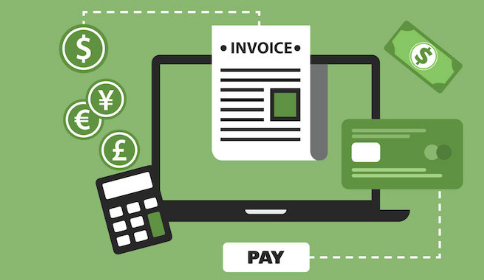
Electronic Invoicing:
An electronic invoice is a low-cost system for processing transactions that leverages information technology to transform manual and paper-based invoicing into a more effective electronic format for handling data messages and maintaining records.
The electronic invoice has been defined as:
“Sending invoices through electronic means, i.e., transmitting them to the recipient using electronic equipment for data processing and storage.”
With the launch of e-invoicing, the traditional paper invoice was replaced by an electronic version — eliminating many of its disadvantages while maintaining its role as a legal document.
Guidelines for Implementing Electronic Invoicing
The concept of e-invoicing emerged from the growing focus on paperless trade, generally defined as business transactions that involve the exchange of data via electronic means. This requires all participants in a commercial activity to adopt and implement standard procedures for contract exchange, acceptance, and invoicing that document transactions.
Depending on the nature of the transaction, paperless trade may involve many parties such as insurance companies, transport organizations, customs authorities, excise departments, banks, and financial institutions.
Government authorities (e.g., customs clearance bodies, excise and tax departments) also play a crucial role in this chain. To ensure greater efficiency among all participants, public authorities must set specific standards regarding the elements, formats, transformations, and legal status of electronic invoices.
The complete cycle of e-invoicing includes:
-
Converting paper documents into electronic versions
-
Creating the electronic invoice
-
Transmitting the e-invoice
-
Receiving the e-invoice
-
Automatic entry into the buyer’s accounting system
-
Verification in the accounting system
-
Choosing the payment method
-
Dispute management
-
Final approval of payment
Benefits
From a logistics perspective, electronic invoices help reduce the amount of paper used for documentation and transaction record-keeping.
Sellers benefit by eliminating many manual processes such as printing, mailing, archiving, storage, and reconciliation of paper invoices. Adopting e-invoice standards enables fast and efficient data transfer, reducing the time needed for invoice processing.
Key benefits include:
-
Instant notifications, invoice status updates, and quick transfer for payer approval.
-
Faster dispute resolution and improved customer service.
-
Regular updates for payers on invoice status and payment deadlines, allowing better forecasting of cash outflows and improved working capital management.
-
Early payment discounts: some suppliers offer discounts if invoices are paid promptly, and many customers take advantage of these savings.
Historically, the benefits of e-invoicing were limited to large companies due to the high infrastructure requirements. However, these advantages are now increasingly available to small and medium enterprises (SMEs) for reasons such as:
-
The rise of hosted e-services and SaaS solutions has reduced upfront costs and maintenance challenges.
-
Early payment discounts and supply chain financing available through e-invoice networks provide major strategic benefits for working capital.
-
Many governments encourage SMEs to adopt e-invoicing due to its core value proposition.
Challenges
One of the biggest barriers still hindering e-invoicing and payment initiatives is supplier adoption — or the lack thereof. Convincing suppliers to change their processes to align with buyer requirements is costly and time-consuming.
Success depends heavily on the buyer’s ability to present a value proposition that benefits suppliers as well. Many buyers have failed to effectively communicate the advantages of e-invoicing to their suppliers, which has hindered the expected results.
A key message about the value of e-invoicing is that it plays a crucial role in supply chain financing.